
Wilde rokken. Cobra Art as Textile showcases textiles designed by members of the Cobra movement and produced by Dutch textile printers. In the years following the Second World War, manufacturers asked artists to translate their avant-garde paintings into repeatable patterns for clothing and interior textiles. They presented these collaborations as prime examples of innovative printing and textile techniques.
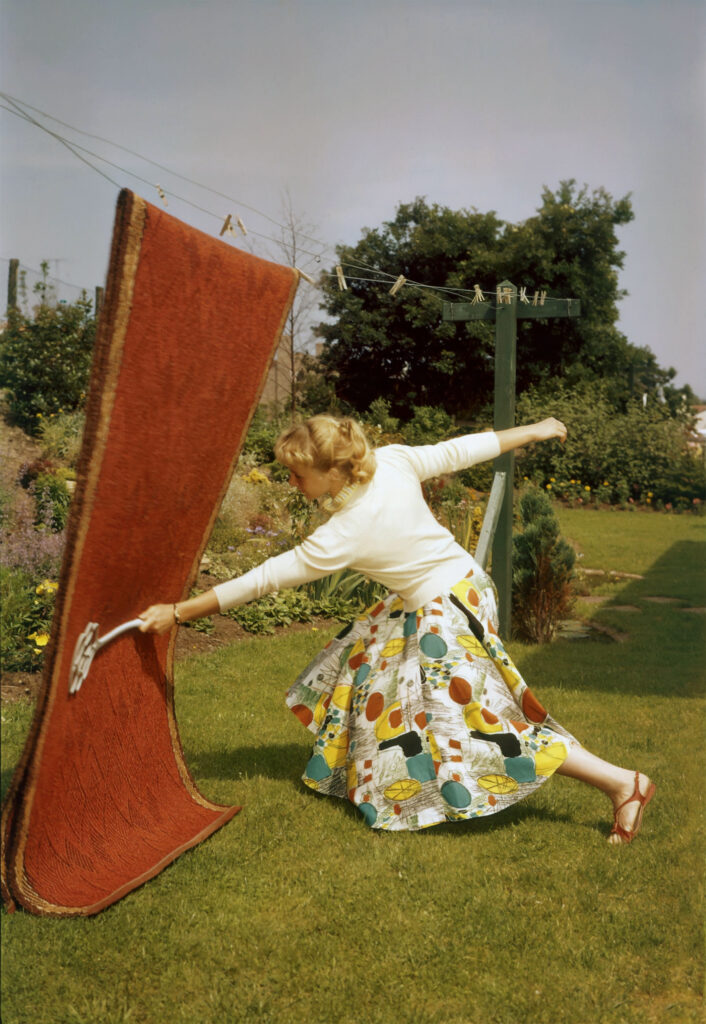
The exhibition features fabrics by the Dutch artists Constant, Corneille, Anton Rooskens, and Karel Appel, as well as by the Belgian artist Anne Bonnet. Their designs provoked strong reactions at the time. Some journalists mocked the manufacturers for their use of the word ‘art’ and felt that the artists had too little understanding of the technical requirements of textile design. Yet that criticism was eventually reversed, and appreciation grew. The fabrics ultimately became commercially and culturally successful, both in the Netherlands and abroad.
Set against the post-war decades and into the 1960s, the exhibition also situates these textiles within a changing social landscape, including women’s growing agency over the body and the statements made through dress and the home. Wilde rokken. Cobra-Art as Textile follows this shift from outrage to acceptance, showing how once-controversial fabrics have evolved into recognisable symbols of modern life.
Wilde rokken. Cobra Art as Textile is guest curated by Eloise Sweetman, in conversation with Museum Cobra’s programme team.
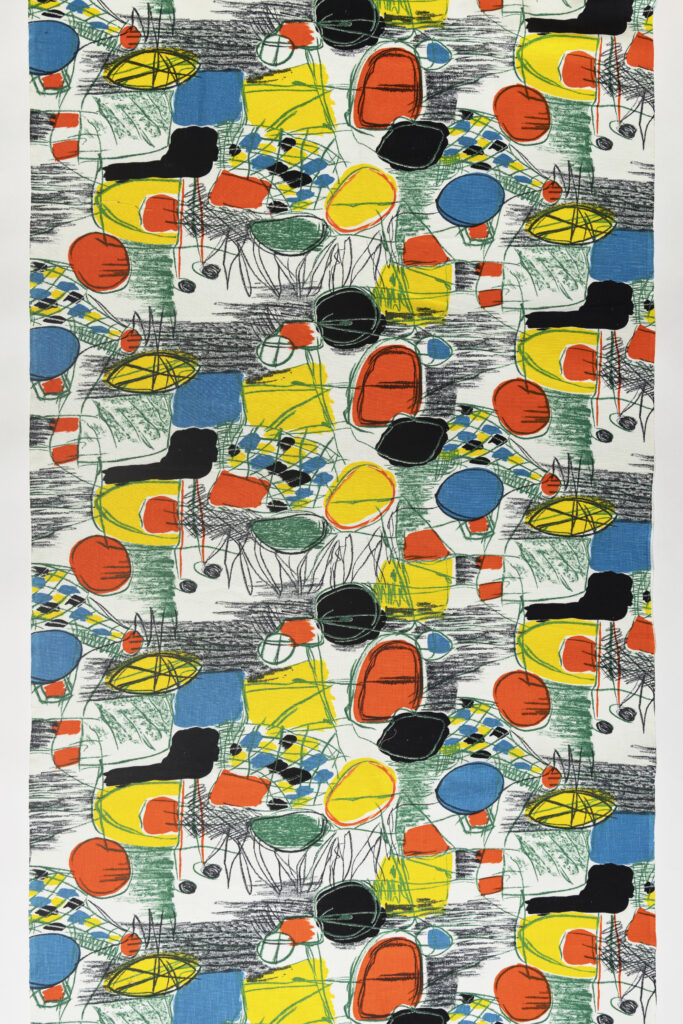
Karel Appel, gouache with oilpastel, circa 1956, design sketch for Stoomweverij De Nijverheid. Photographer unknow. Courtesy of Collection Tommy, Keiti, Tina, Bas c/o Pictoright Amsterdam 2026